
What Should I Drink When I Am Constipated?
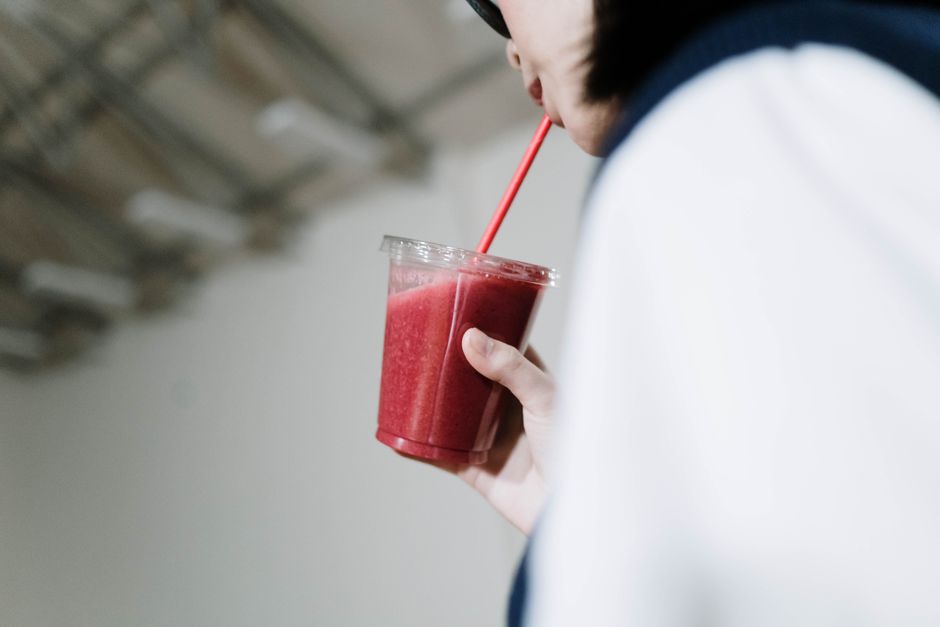
For occasional constipation, water and other liquids help most when they support enough dietary fiber. Prune juice has the strongest direct study evidence among common drinks, while coffee can trigger short-term colon activity without serving as a proven treatment. Electrolyte drinks, tea, probiotic drinks, and pear juice do not have stronger evidence than water in the supplied research.
What should I drink when I am constipated?
Start with fluids that fit a fiber-first approach. The National Institute of Diabetes and Digestive and Kidney Diseases says water and other liquids, including naturally sweetened fruit and vegetable juices and clear soups, help fiber work better and can make stools softer and easier to pass.
The drink is not the whole answer. NIDDK lists low fiber intake, not drinking enough liquids or dehydration, and low physical activity among possible contributors to constipation. It also lists several medicines and supplements that can worsen it, including iron supplements, certain antacids, diuretics, narcotic pain medicines, calcium-channel blockers, and some antidepressants.
Use the comparison below as a map, not a prescription. A drink can support the process. It does not replace looking at the rest of the pattern.
| Drink or option | What the supplied evidence supports | Limit of the evidence |
|---|---|---|
| Water | NIDDK says liquids help dietary fiber work better. | Water alone does not address every cause of constipation. |
| Prune juice | A 2022 randomized trial found better stool form in adults with chronic constipation. | The trial amount is not a universal amount for everyone. |
| Coffee | A 1998 experiment found greater short-term colonic activity than water. | It was not proof that coffee treats constipation. |
| Pear juice | NIDDK lists whole pears as a fiber source. | The supplied evidence does not show that pear juice has the same fiber effect. |
| Tea, electrolyte drinks, probiotic drinks | The supplied research does not show they outperform water. | A 2025 caffeine review found mixed results across studied beverages. |
Whole foods still matter. NIDDK states that adults generally need 22 to 34 grams of fiber daily, depending on age and sex, and names pears among fruit sources of fiber. A whole pear and pear juice are not interchangeable in this evidence base. For another practical food-focused read, see How Do I Build a Satisfying Snack Meal Instead of Dinner?.
Does prune juice really help constipation?
Yes, prune juice has direct evidence for improving stool form in a controlled trial, though it is not a guaranteed fast fix.
In a 2022 double-blind, randomized, placebo-controlled trial published in the American Journal of Gastroenterology, 84 adults aged 20 to 75 with chronic constipation used prune juice or a placebo for eight weeks. The prune group had fewer hard and lumpy stools and more normal-form stools. The difference in stool form reached significance after three weeks.
The study also found that stool frequency increased after one week, while several symptom scores improved later. Time matters. A drink that supports bowel habits need not produce an immediate result.
The tested prune juice contained sorbitol, pectin-type dietary fiber, and polyphenols. That combination makes prune juice different from a sweet drink chosen only for flavor. The trial reported no diarrhea, loose stools, urgency, adverse events, or liver or kidney laboratory abnormalities during its eight-week study period. One study is evidence, not a blanket promise.
How much prune juice should I drink to poop?
The only amount established in the supplied direct trial is 54 grams per day, split into three 18-gram packages, in the 2022 study; it is not a universal dosing recommendation.
That distinction prevents a common mistake: turning a research protocol into a personal rule. The trial tested adults with treatment-naive chronic constipation over eight weeks, not every adult with an occasional hard stool. Its results describe what happened under study conditions.
A cautious comparison starts with the reason for the symptom. NIDDK describes constipation as including fewer than three bowel movements per week, hard, dry, or lumpy stools, difficult or painful stools, or a sense that stool has not fully passed. The same source links constipation with factors that no juice can settle by itself, including medicines, supplements, low fiber intake, and low physical activity.
MedlinePlus advises drinking plenty of water when adding fiber and advises against prolonged laxative use without consulting a clinician. Drinks and laxatives are not a contest. The safer question is whether the pattern is occasional and mild, or persistent and changing.
Can coffee make you poop when you are constipated?
Coffee can increase short-term colonic activity, but evidence does not establish it as a reliable treatment for constipation.
A 1998 colonic-manometry experiment in 12 healthy adults compared caffeinated coffee, decaffeinated coffee, water, and a meal. Caffeinated coffee produced colonic motor activity 60% stronger than water and 23% stronger than decaffeinated coffee, according to the Digestive Diseases and Sciences study. The finding describes a short-term response in healthy volunteers.
The larger picture is less tidy. A 2025 systematic review of eight adult studies covering caffeine-containing coffee, tea, energy drinks, cocoa, and kombucha found four studies suggesting caffeine reduced constipation and four finding no improvement or more constipation. The authors did not pool the results because the studies differed too much in their drinks and measures.
That leaves coffee in a narrow lane. It can prompt movement for some people. It is not established treatment, and the supplied evidence does not show that electrolyte beverages, probiotic drinks, or tea offer a better route than water plus fiber. The 2025 review calls for better randomized trials before caffeine can be treated as an established constipation remedy.
Red flags change the decision. NIDDK says prompt medical care is needed with rectal bleeding, blood in stool, constant abdominal pain, inability to pass gas, vomiting, fever, lower-back pain, or unintentional weight loss. More drinks are not the answer to those signs.
Frequently Asked Questions
Is water enough to relieve constipation?
Water can support softer, easier-to-pass stools when paired with enough fiber, according to NIDDK. A drink alone does not address every cause of constipation, which can also involve low fiber intake, low physical activity, medicines, supplements, or dehydration.
Can I drink prune juice every day for constipation?
A 2022 randomized trial studied prune juice daily for eight weeks in adults with chronic constipation and reported improved stool form without reported diarrhea, loose stools, urgency, or adverse events. That studied amount is evidence from one trial, not a universal daily rule; ongoing symptoms deserve clinical guidance.
Which drinks can make constipation worse?
The supplied sources identify not drinking enough liquids or dehydration as possible contributors to constipation. They do not establish that a particular beverage category, including alcohol, consistently worsens constipation; evidence on caffeine-containing drinks is conflicting.
Sources
- National Institute of Diabetes and Digestive and Kidney Diseases: Eating, Diet, and Nutrition for Constipation
- National Institute of Diabetes and Digestive and Kidney Diseases: Symptoms and Causes of Constipation
- American Journal of Gastroenterology: Prune Juice Trial
- Digestive Diseases and Sciences: Coffee and Colonic Motor Activity
- International Urogynecology Journal: Caffeine and Constipation Systematic Review
- MedlinePlus Medical Encyclopedia: Constipation Self-Care
Disclaimer: This article is for general information only and is not medical advice. It is not a substitute for diagnosis or treatment by a qualified healthcare professional. Always speak to your doctor before acting on anything you read here.