
How Can I Build a Savory, Fiber-Rich Breakfast for Steadier Blood Sugar?
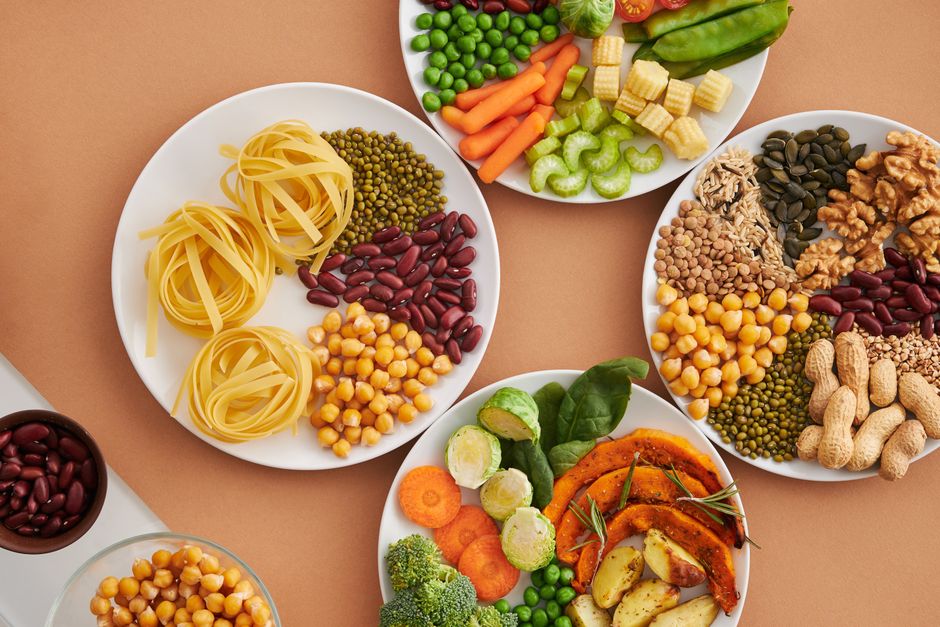
Build breakfast around a fiber-rich carbohydrate, a protein, and a fat: for example, whole-grain toast with eggs, avocado, and chickpeas. This pattern slows the effect of carbohydrates on blood glucose more than a breakfast built around refined cereal, pastries, juice, or sweet coffee drinks. Keep the meal simple, repeatable, and based on foods you will use.
What can I eat for breakfast if oatmeal makes my blood sugar spike?
Choose a savory plate built from whole-grain toast or beans, eggs or tofu, avocado, and nonstarchy vegetables instead of treating oatmeal as the only fiber breakfast.
The useful question is not whether breakfast contains carbohydrates. It is what travels with them. The Centers for Disease Control and Prevention states that eating carbohydrates with protein, fat, or fiber slows how quickly blood sugar rises.
That creates a clean build-a-plate formula. Start with a fiber-rich base. Add protein. Add fat. Then add color and volume from nonstarchy vegetables when they fit the meal.
| Breakfast part | Common grocery-store choices | What it replaces |
|---|---|---|
| Fiber-rich base | Whole-grain toast, chickpeas, black beans, plain yogurt, whole fruit | Refined cereal, white toast, pastries |
| Protein | Eggs, tofu, low-fat cheese | A carbohydrate-only breakfast |
| Fat | Avocado, nuts, seeds, olive oil | Sweet flavored toppings |
| Vegetable | Spinach, Brussels sprouts, other nonstarchy vegetables | Extra refined starch |
The CDC's 2024 fiber guide names avocado toast topped with chickpeas as a savory, fiber-rich breakfast. It is a useful model because it joins a whole-grain food, a legume, and avocado without turning breakfast into a project.
Fiber is not filler. The CDC's 2024 guidance says fiber is not absorbed and broken down by the body, so it does not create the blood-sugar spike associated with other carbohydrates. Soluble fiber also slows digestion. Oats are one source, not the whole map.
A seven-day savory rotation
- Whole-grain toast with eggs and avocado.
- Avocado toast topped with chickpeas.
- Black beans with eggs and nonstarchy vegetables.
- Tofu with spinach, avocado, and whole-grain toast.
- Plain yogurt with nuts, seeds, and whole fruit.
- Whole-grain toast with low-fat cheese, avocado, and fruit.
- Chickpeas, nonstarchy vegetables, and a side of whole-grain toast.
Repetition is not failure. It is a way to make the better choice easier to buy and easier to make. For another practical meal-building approach, see How Do I Build a Satisfying Snack Meal Instead of Dinner?
Are eggs and toast a good breakfast for insulin resistance?
Eggs and toast can fit this goal when the toast is whole grain and the plate includes fiber and fat, such as avocado, beans, or vegetables.
Toast is not one food in practice. The CDC explains that refined grains, including white bread and many cereals and pastries, have had fiber removed during processing. Whole grains and legumes take longer to digest because they contain fiber and complex starches.
The American Diabetes Association gives a direct comparison from CGM use: the least glucose rise in its example came with 100% whole-grain toast, eggs, and avocado, rather than three slices of white toast. Protein and fat slow how quickly food affects glucose, according to the ADA.
One meal does not settle every person's response. Food portion, the type of carbohydrate, medication, activity, sleep, and other factors can change glucose patterns. The ADA describes a CGM, when available, as a tool for observing personal food and portion responses. A pattern is more useful than a single reading.
Eggs are the anchor. Whole-grain toast is the carbohydrate. Avocado or chickpeas make the meal more complete. The difference is structure, not a ban on toast.
What is a quick low-glycemic breakfast when I do not want to cook?
A quick option is whole-grain toast with avocado and chickpeas, or plain yogurt with whole fruit, nuts, and seeds; both pair quality carbohydrates with fiber, protein, or fat.
Speed often leads shoppers toward sweet cereal, flavored yogurt, pastries, juice, or coffee drinks. These foods are not interchangeable. The ADA states that candy, soda, and juice raise glucose fastest, while beans, legumes, fruit, whole grains, and plain yogurt tend to raise it more slowly.
Read the label before treating a packaged breakfast as neutral. The American Diabetes Association explains that the total-carbohydrate line includes sugar, starch, and fiber. It also separates added sugars from naturally occurring sugars. Those two lines make cereal, flavored yogurt, and coffee-drink comparisons less murky.
The ADA calls a food with 5 grams or more of fiber per serving high fiber and one with 2.5 grams or more a good source. Its fiber guidance gives adults a daily range of 25 to 38 grams, depending on age and sex. The CDC's 2024 fiber guide cites the 2020-2025 Dietary Guidelines for Americans range of 22 to 34 grams, also dependent on age and sex. The ranges differ because the organizations present different guidance frameworks; neither source sets a fixed breakfast quota.
Whole fruit belongs in the picture. The CDC notes that juice raises blood sugar faster than whole fruit. A glass of juice removes the part of fruit that slows the meal down.
Frequently Asked Questions
Should I avoid fruit at breakfast if I have prediabetes?
No. The CDC includes whole fruit in a balanced eating pattern and advises choosing it over juice. Whole fruit contains fiber, while juice raises blood sugar faster and leaves out the fruit's fiber. Pairing whole fruit with plain yogurt, nuts, seeds, or another protein-and-fat food changes the meal's overall structure.
How much protein and fiber should breakfast have for blood sugar control?
There is no single breakfast target in the provided sources for protein. The CDC's 2024 fiber guidance cites the 2020-2025 Dietary Guidelines for Americans, which set a daily fiber range of 22 to 34 grams for adults, depending on age and sex. The American Diabetes Association describes 5 grams or more per serving as high fiber and 2.5 grams or more as a good source; labels help compare breakfast foods.
Sources
- Centers for Disease Control and Prevention: Diabetes Meal Planning
- Centers for Disease Control and Prevention: Fiber Helps Diabetes
- Centers for Disease Control and Prevention: Choosing Healthy Carbs
- American Diabetes Association: Using a CGM to Manage Diabetes
- American Diabetes Association: Making Sense of Food Labels
Disclaimer: This article is for general information only and is not medical advice. It is not a substitute for diagnosis or treatment by a qualified healthcare professional. Always speak to your doctor before acting on anything you read here.