
Which Supplements Help Concentration, and Which Are Marketing?
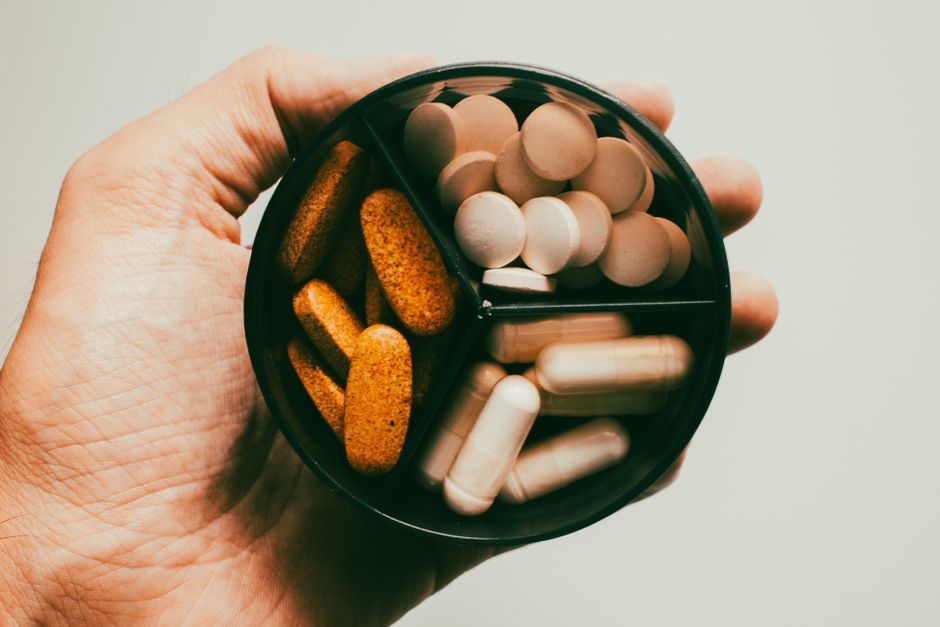
For concentration, the evidence supports finding and correcting a documented deficiency before buying a nootropic blend. Vitamin B12 deficiency can involve fatigue and neurological changes, while normal blood tests do not make B vitamins a proven focus aid. Creatine has limited but promising evidence in adults. Magnesium, vitamin D, and stimulant blends bring upper limits, interactions, and risks that labels can hide.
What vitamin deficiency can affect focus and attention?
Vitamin B12 deficiency can affect focus and attention through fatigue and neurological changes. The NIH Office of Dietary Supplements says numbness and tingling can occur even without anemia, so anemia alone is not a clean screen for B12 status.
That makes the first fork simple. Symptoms, relevant medicines, and test results belong in the same conversation. Metformin and gastric-acid inhibitors can reduce B12 absorption or blood concentrations, according to NIH. A bottle cannot tell which of those paths applies.
There is also a narrow but meaningful research signal in older adults. In NHANES data collected from 2,420 adults aged 60 and older from 2011 through 2014, NIH reports that low B12 combined with high folate was associated with an almost two- to threefold higher risk of cognitive impairment. Association is not proof that a focus supplement fixes the problem. It is a reason not to guess.
| Situation | What the evidence says | Practical reading |
|---|---|---|
| Documented B12 deficiency | Deficiency can include fatigue and neurological changes, according to NIH. | Testing and clinician review come before a cognitive-marketing claim. |
| Normal B-vitamin blood tests | Trials do not show cognitive improvement from B12 alone or with folic acid and B6 in older adults, according to NIH. | More B vitamins are not a proven concentration shortcut. |
| Creatine | A 2024 meta-analysis found improvements in selected measures, not overall cognition or executive function. | This is limited evidence, not a blanket nootropic verdict. |
| DMAA focus blend | FDA says DMAA is not a dietary ingredient and products containing it are illegal. | Avoid it. |
The budget rule follows from the evidence. Test before treating. Treating a missing nutrient and buying a promise are different purchases.
Do B vitamins improve concentration if my blood tests are normal?
No. Normal blood tests do not make B vitamins a proven concentration treatment. NIH summarizes randomized controlled trials in which B12 alone or combined with folic acid and B6 for one to two years did not improve cognitive function in older adults, including people with mild cognitive impairment or dementia.
A Cochrane review of 14 trials involving 27,882 mostly older participants found little to no effect of B-vitamin supplements on global cognitive function for up to five years, according to the same NIH fact sheet. That result separates correction from enhancement. A nutrient can be essential without being a reliable performance booster once status is normal.
The wider nootropic market has the same problem. A systematic review by Crawford, Boyd, and Deuster identified 54 ingredients marketed for cognitive performance, yet only nine had at least three eligible published studies. Across 69 publications, the authors found low-certainty, inconsistent, imprecise, and often flawed evidence for ingredients including Bacopa, choline, creatine, omega-3 fatty acids, Ginkgo, ginseng, Rhodiola, tyrosine, and valerian.
Creatine stands apart only by degree. In a 2024 systematic review and meta-analysis of 16 randomized controlled trials with 492 participants, Chen and colleagues found better memory, attention time, and processing-speed time. The analysis found no significant gain in overall cognitive function or executive function, and certainty was low for several outcomes. Limited evidence is still limited.
Regular meals and sleep are often folded into focus advice. The supplied research dossier does not test those foundations, so it cannot support a ranking or a promise about them. Food decisions remain separate from supplement claims; building a satisfying snack meal is a food question, not evidence that a supplement improves attention.
Is it safe to take magnesium, vitamin D, and a nootropic together?
Safety depends on the ingredients, total intake, medicines, and whether the nootropic label states what is in it. NIH sets an adult upper limit for magnesium from supplements and medications, excluding food and beverages, and says intake above that limit needs health-care-provider direction. High supplemental magnesium can cause diarrhea, nausea, and abdominal cramping; extreme intake can affect heart rhythm.
Magnesium also has timing and absorption issues. NIH notes that it can reduce absorption of bisphosphonates and some antibiotics when taken too close together. Diuretics and long-term acid-reflux medicines can affect magnesium status. Those facts turn a casual stack into a medication-review question.
Vitamin D has its own ceiling and interaction list. NIH sets the adult tolerable upper intake level at 100 micrograms, or 4,000 IU, per day from all sources unless a clinician directs otherwise. This figure comes from the NIH Vitamin D Health Professional Fact Sheet. The same source says toxicity is almost always caused by excessive supplemental intake and lists interactions with orlistat, statins, corticosteroids, and thiazide diuretics.
The nootropic is the least predictable part. The cognitive-supplement review warns that uncertainty about what is in products makes risk-benefit decisions hard. FDA names DMAA, also called 1,3-dimethylamylamine, methylhexanamine, geranamine, or geranium extract, as an ingredient to avoid. FDA says DMAA with caffeine or other stimulants can raise blood pressure and contribute to shortness of breath, chest tightening, arrhythmias, heart attack, seizures, and neurological or psychological effects.
A sound decision tree has three branches. A documented deficiency leads to clinical review. Normal testing leads to skepticism about vitamin marketing. A blend with undisclosed amounts, stimulant language, or DMAA names leads away from the checkout page.
Frequently Asked Questions
Which brain-focus supplements have evidence for healthy adults?
Creatine has limited evidence: a 2024 systematic review and meta-analysis found better memory, attention time, and processing-speed time in adults, while finding no significant improvement in overall cognition or executive function. A separate systematic review found low-certainty, inconsistent evidence across many other ingredients sold for cognitive performance. Evidence is not the same as a guarantee.
Can supplements for focus interact with ADHD medication or antidepressants?
The supplied sources specifically warn that DMAA combined with caffeine or other stimulants can raise blood pressure and contribute to serious adverse effects. FDA advises consumers not to use DMAA products. Medication and supplement combinations need a clinician or pharmacist review, especially when a product has stimulant ingredients or an unclear label.
Sources
- NIH Office of Dietary Supplements: Vitamin B12 Health Professional Fact Sheet
- NIH Office of Dietary Supplements: Magnesium Consumer Fact Sheet
- NIH Office of Dietary Supplements: Vitamin D Health Professional Fact Sheet
- Crawford, Boyd, and Deuster: Dietary Supplement Ingredients for Optimizing Cognitive Performance Among Healthy Adults
- Chen et al.: The Effects of Creatine Supplementation on Cognitive Function in Adults
- U.S. Food and Drug Administration: DMAA in Products Marketed as Dietary Supplements
Disclaimer: This article is for general information only and is not medical advice. It is not a substitute for diagnosis or treatment by a qualified healthcare professional. Always speak to your doctor before acting on anything you read here.