
What Can a Cancer Patient Eat During Chemotherapy With No Appetite?
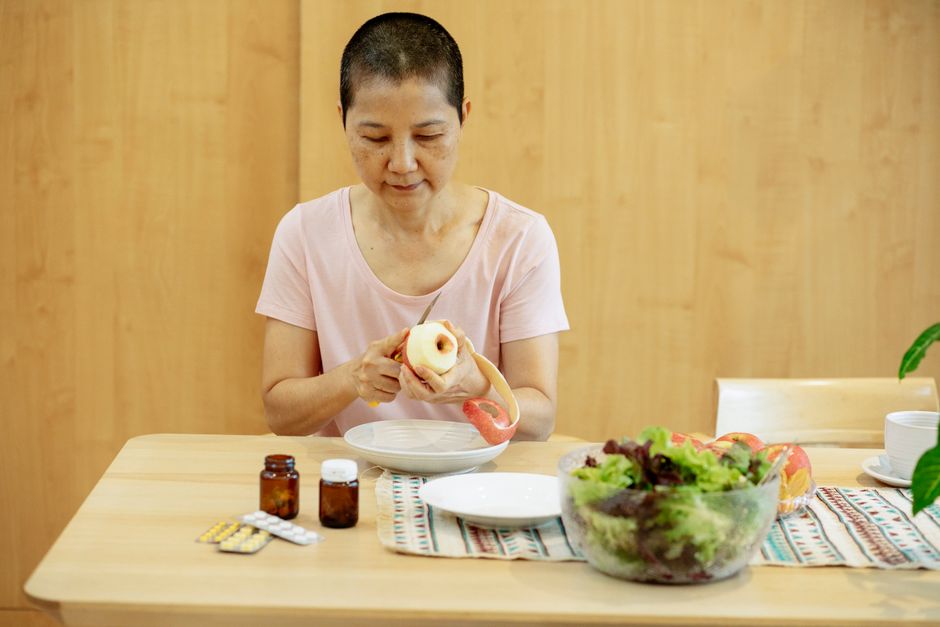
When treatment dulls appetite, the practical pattern is small, protein-first eating across the day: soft or familiar foods, calorie-rich additions, and drinks between meals when solids feel like too much. The National Cancer Institute says people with cancer can need extra protein and calories to maintain strength and help prevent malnutrition. Symptoms that block eating belong with the oncology team.
What can a cancer patient eat when they have no appetite during chemotherapy?
Small meals and snacks built around protein are the starting point when appetite is low. The National Cancer Institute identifies appetite loss, nausea, mouth or throat sores, taste changes, swallowing problems, and early fullness as treatment effects that can make food hard to manage.
The plate does not need to look like a conventional meal. Eggs, cheese, yogurt, beans, lentils, fish, meat, avocado, nuts, and nut butter are among the high-calorie, high-protein foods named by the American Cancer Society. The useful question is not whether a meal looks complete. It is whether a tolerable bite brings protein or energy.
For nausea, Memorial Sloan Kettering Cancer Center suggests dry foods such as crackers, dry cereal, or toast and notes that cold or room-temperature foods can help when hot-food odors worsen nausea. A food that works today may fail tomorrow. Keep the menu flexible.
Mouth or throat pain changes the job. Smooth foods, soups, shakes, and blended drinks can be easier than dry or rough foods when chewing or swallowing hurts. The cancer care team needs to know about mouth sores, tongue pain, a white coating in the mouth, abdominal pain, trouble swallowing, nausea, vomiting, or constipation that interferes with eating, according to the American Cancer Society.
Food safety stays part of the plan. The National Cancer Institute warns that chemotherapy can lower white blood cells and raise the risk of foodborne illness. Washing produce, separating raw meat from produce, and using safe food handling and temperatures are part of eating during treatment, not an optional extra.
How can I add calories and protein when I can only eat a few bites?
Add density to the bites that are manageable. The National Cancer Institute recommends whole milk in cereal, full-fat cheese in foods, creamy sauces, beans, lentils, and high-calorie condiments for appetite loss.
This changes the math without making the serving larger. Whole-fat dairy, olive oil or butter, avocado, nut butters, eggs, beans, soy foods, and unflavored protein powder are calorie- and protein-dense additions listed by Memorial Sloan Kettering Cancer Center.
| When this symptom leads | Food pattern described in the source guidance |
|---|---|
| Early fullness | Put protein-rich foods first, use smaller meals and snacks, and take most fluids between meals. |
| A meal feels too large | Use a shake, smoothie, soup, or nutrition supplement drink when tolerated. |
| Low appetite | Enrich familiar foods with full-fat dairy, cheese, sauces, beans, lentils, avocado, or nut butter. |
| Nausea worsened by odors | Try dry foods and cold or room-temperature choices. |
Drinks have a place, though timing matters. Memorial Sloan Kettering Cancer Center says high-calorie, high-protein supplements taken with a meal can be filling and can reduce food intake; it places them between meals instead. For early fullness, the same center advises limiting liquids during meals and drinking more before or after them.
A snack can be the meal. For more ideas about making that format feel satisfying, see How Do I Build a Satisfying Snack Meal Instead of Dinner?. Treatment nutrition has a narrow aim: make the food that can be eaten count.
What foods are easier to tolerate when chemo makes everything taste metallic?
When food tastes metallic, cold or room-temperature foods, smooth foods, and foods with less hot-food odor are often easier to tolerate. The American Cancer Society lists taste and smell changes among the treatment effects that can make eating and drinking difficult, while Memorial Sloan Kettering Cancer Center specifically suggests cold or room-temperature food when odors worsen nausea.
There is no single metallic-taste menu in the provided guidance. That gap matters. The sources support adapting texture, temperature, meal size, and food density; they do not promise that one food will correct a taste change.
Use the foods that still taste acceptable as carriers for protein and calories. Yogurt can become a smoothie base. Soup can carry beans, dairy, or unflavored protein powder when tolerated. Mashed foods can take oil, butter, cheese, or nut butter when their flavor works. The goal is not a perfect menu. It is a workable one.
Keep the care team informed when taste changes cut intake. The American Cancer Society says patients whose side effects interfere with usual eating or drinking should ask the cancer care team how those symptoms can be managed. A registered dietitian or clinical dietitian nutritionist can help match food strategies to the symptom and protect nutritional intake, according to the National Cancer Institute and Memorial Sloan Kettering Cancer Center.
Small meals are not lesser meals. They are the meal plan when the body sets a smaller limit.
Frequently Asked Questions
Are smoothies and nutrition shakes enough when a patient cannot manage meals?
Smoothies, milkshakes, soups, and nutrition supplement drinks are recognized options when solid food is hard to manage. The National Cancer Institute and Memorial Sloan Kettering Cancer Center describe them as ways to add calories and protein, often between meals so they do not crowd out food. A cancer care team or oncology dietitian can tailor the plan when meals remain difficult.
When should weight loss or poor appetite be reported to the oncology team?
Poor appetite and treatment symptoms that interfere with eating or drinking should be reported to the oncology team. The National Cancer Institute says to speak with a doctor or registered dietitian right away when weight loss begins, and the American Cancer Society says eating-related problems can have treatment or prevention options. The American Cancer Society also directs patients who cannot eat or drink for a sustained period to contact their care team.
Sources
- National Cancer Institute: Nutrition in Cancer Care
- National Cancer Institute: Appetite Loss and Cancer Treatment
- American Cancer Society: Common Eating Problems During Cancer Treatment
- American Cancer Society: Tips for Decreased Appetite
- Memorial Sloan Kettering Cancer Center: Eating Well During Your Treatment
Disclaimer: This article is for general information only and is not medical advice. It is not a substitute for diagnosis or treatment by a qualified healthcare professional. Always speak to your doctor before acting on anything you read here.